Format: In-person
Date: Thursday, 17 September 2026
Overview
Wood floors are one of the most challenging materials to restore after water damage due to their sensitivity to moisture, construction complexity, and risk of permanent deformation. This hands-on course equips restoration professionals with practical techniques and standards-based approaches to properly assess, dry, and document water-damaged wood flooring systems.
Learning Outcomes
- Understand how different wood species (e.g., oak, pine, bamboo) respond to moisture
- Learn the principles of kiln drying and equilibrium moisture content (EMC)
- Apply the correct methods to dry solid, engineered, and hybrid wood floors
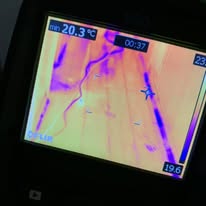
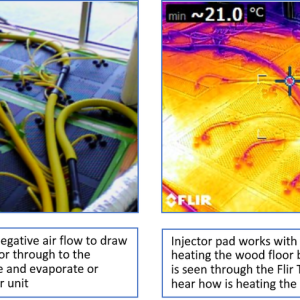
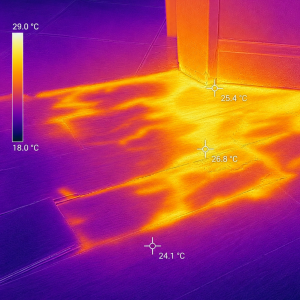
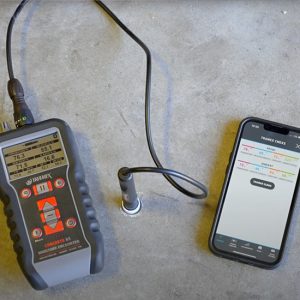
- Use pin-type, pinless, and thermographic moisture testing tools accurately
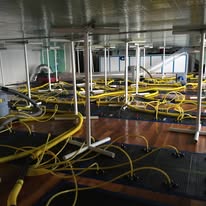
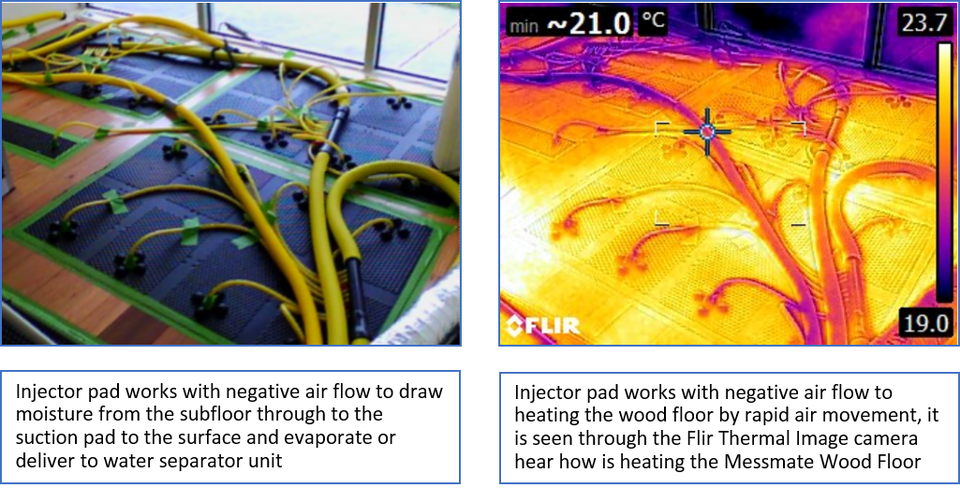
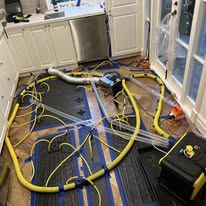
- Implement drying systems such as floor mats, tenting, and desiccant dehumidifiers
- Conduct thorough moisture mapping and documentation
- Align drying strategies with standards including IICRC S500, AS 1884, AS 1080.1, and ASTM F2170
- Address safety and health concerns, including silica dust compliance during subfloor access
Suitable For
- Water Damage Restoration Technicians
- Flooring Installers and Contractors
- Building and IAQ Inspectors
- Insurance Assessors and Consultants
Course Modules
- Introduction to Wood Flooring Systems
- Wood Species Identification & Moisture Behaviour
- Kiln Drying vs. On-Site Drying
- Moisture Testing Methods & EMC
- Drying Equipment & Strategies (Mats, Tenting, Desiccants)
- Safety, Silica Dust, and WHS Compliance
- Documentation, Standards, and Legal Considerations
- Real-World Case Studies and Assessment
Standards Referenced
- IICRC S500: Professional Water Damage Restoration
- AS 1884: Resilient Flooring Installation
- AS 1080.1: Timber – Moisture Content Testing
- ASTM F2170: In-situ RH Testing in Concrete
Reviews
There are no reviews yet.